Start with placement and route
- Can the generator or light tower sit below the task or must it be on the same grade? In the city’s ridge-and-valley areas, a short horizontal distance can include meaningful elevation.
- What is the approach? Measure gate widths, curb cuts, and turning space. Towed towers and skid-mounted generators handle different routes than palletized units.
- Is the surface firm and drained? Frequent rain and soft shoulders around construction fill impact footing and access timing.
Power sizing for mixed indoor–outdoor work
- List startup versus running loads for tools, welders, and temporary HVAC common to local distribution build-outs.
- Neutral/ground bonding and power distribution matter when feeding interior circuits from an exterior unit during wet weather. Confirm distances to minimize voltage drop on longer cable runs across large warehouse bays.
Light coverage for stadium-scale and lot work
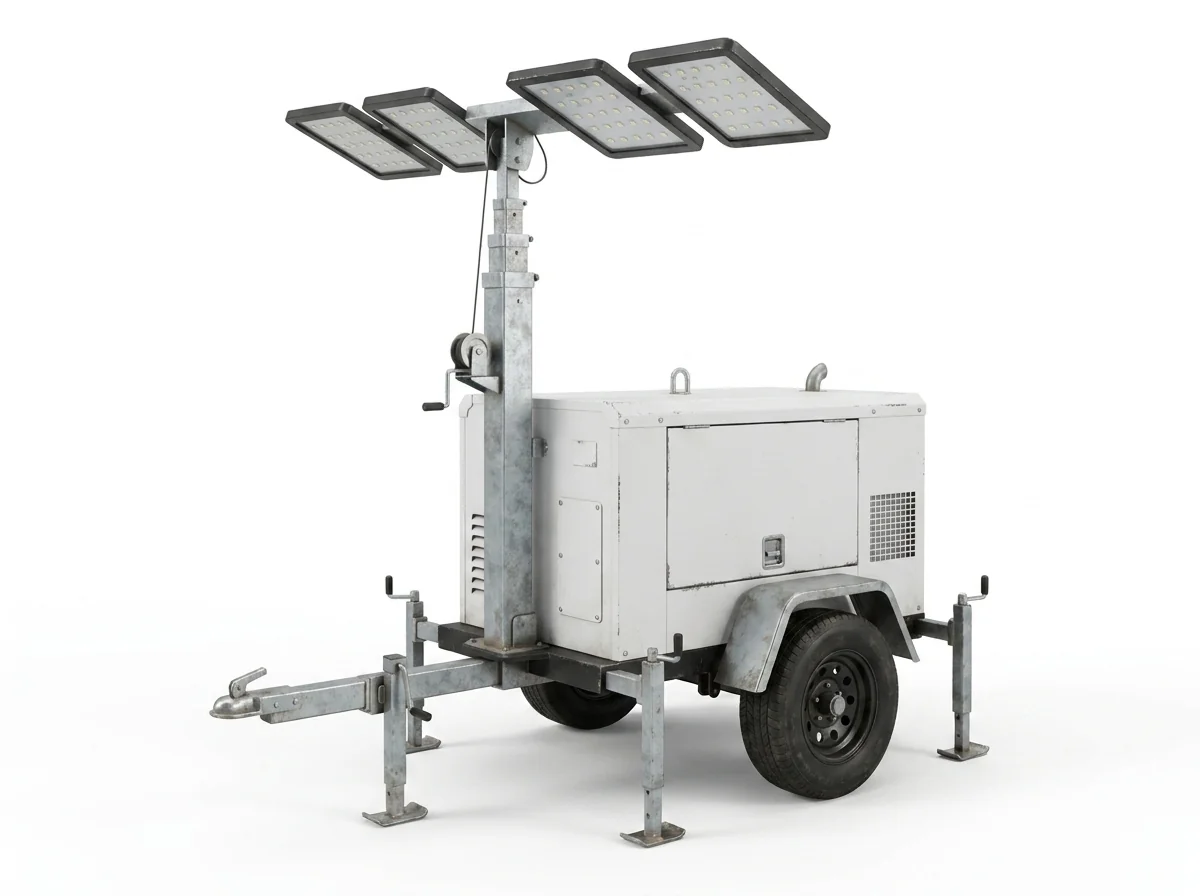
- Identify mounting height and throw. Night work on large lots or structural steel requires wide, even coverage; interior punch-list lighting needs less throw and more glare control.
- Knoxville’s humid summer evenings can produce haze; higher mounting and broader beam spread help reduce hot spots and shadows on uneven grades.
Runtime, refueling, and noise
- Plan runtime across weather delays. Storm windows may bunch work into shorter, darker shifts—size fuel capacity accordingly.
- Note local sensitivity to noise near residential edges of commercial corridors. Placement behind structures can reduce sound carry.
Surface and stability
- On sloped or saturated ground, select towers with adjustable outriggers and confirm pad size. Avoid siting in swales that collect runoff during afternoon storms.
Coordination with aerial access
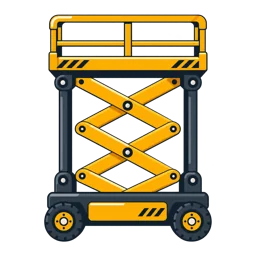
Power and lighting often support lift work: - Interior maintenance in high-bay storage typically pairs with slab lifts. See /electric-scissor-lift-rental/. - Exterior façade or steel work on variable terrain often needs rough-terrain platforms. See /rough-terrain-scissor-lift-rental/ or /boom-lift-rental/.
Knoxville-specific planning notes
- Expect quick weather shifts. Keep cable paths off drainage routes and away from tracked equipment.
- On large industrial sites, separate pedestrian and equipment lighting to avoid glare for operators moving between graded benches.
When to compare adjacent options
- If power needs are modest and route constraints are tight, evaluate smaller portable generators staged inside with exterior ventilation planning.
- For broad lots or multi-elevation setups, mast-style light towers with directional heads can bridge grade changes without relocating units.
Related categories
- Aerial options: /aerial-lift-rental/, /articulating-boom-lift-rental/, /telescopic-boom-lift-rental/
- Site products: /temporary-fencing-barricades-rental/, /storage-containers-rental/
- Overview: /products/
- Company info: /about/, /contact/