Match the forklift to the route, not just the load
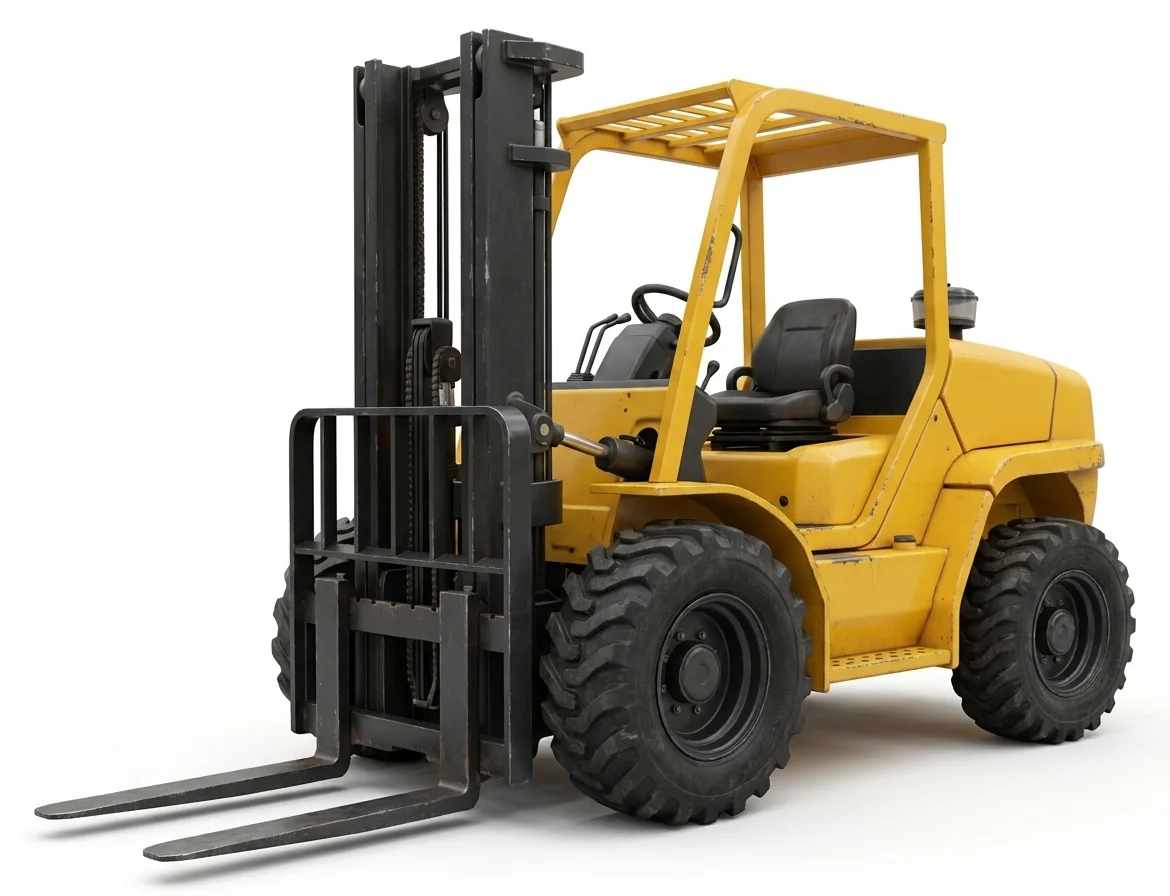
If pallets move only within warehouses or production floors, indoor forklifts offer compact size and tight turning. Once the path includes curbs, gravel, or sloped yards, compare to /telehandler-rental/ for better ground clearance and stability.
Key checkpoints: - Door height, dock leveler range, and any low headers along the route - Aisle width between racking and turning space at pick/put locations - Floor condition, gradients at ramps, and transitions to exterior pads
Power type and Knoxville facility patterns
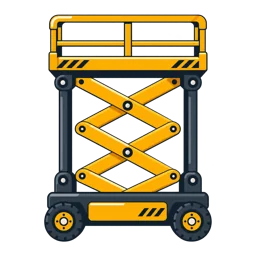
Electric units reduce emissions for closed environments and high-bay interiors common to local distribution buildings. Internal combustion models appear where ventilation is ample or partial exterior work is unavoidable. For purely vertical access to maintenance points instead of moving pallets, consider /electric-scissor-lift-rental/.
Capacity, mast, and clearance
Define the heaviest pallet and its load center, then compare to the mast height needed to clear racking or mezzanines. Low ceilings in older buildings can favor shorter masts with free-lift sections. Tight service corridors in Knoxville’s infill sites make turning radius and overall length key constraints.
Yard interface in East Tennessee conditions
Frequent rain can leave dock aprons slick and yard transitions uneven. Plan for traction and grade at ramps, and confirm whether the forklift will ever leave slab. If the path consistently crosses rough surfaces, a telehandler at /telehandler-rental/ is the better category.
For perimeter and temporary storage during re-slotting, see /temporary-fencing-barricades-rental/ and /storage-containers-rental/.